World No Tobacco Day is often reduced to standard warning labels and detached public statistics.
However, the true reality of smoking is far more personal, immediate and systemic than most people realise.
Smoking does not simply damage your vital organs “someday in the distant future”. Instead, every single cigarette alters your biological system almost instantly from the very second toxic smoke enters your lungs.
Each inhale places an immediate, immense stress on your heart, blood vessels, respiratory tract and immune defenses.
Over time, those repeated physiological hits quietly compound, significantly increasing your risk of heart disease, stroke, lung disease, diabetes and various cancers. Yet, there is a powerful, hopeful side to this narrative that deserves equal real estate: your body actively wants to heal.
The exact moment someone stops smoking, the human body initiates a rapid self-repair sequence.
Oxygen levels normalise, blood circulation slowly recovers and the lungs begin clearing years of toxic build-up.
It stands out as one of the few medical choices where measurable clinical benefits begin within hours.
As South Africa marks World No Tobacco Day on May 31, the stakes for our national healthcare system are undeniably high.
According to data published by the Cancer Association of South Africa (CANSA), tobacco-related conditions claim more than 42,100 South African lives every year.
Local health experts urge the public to understand not only these long-term macro-statistics but also the minute-by-minute physical strain placed on the body by commercial cigarettes.
“Each cigarette triggers a short, intense cardiovascular stress response,” explains Ingrid Singels, associate director of scientific products at Pharma Dynamics.
“Heart rate increases, blood pressure rises, and oxygen delivery is instantly compromised. For someone smoking regularly, this disruption happens multiple times a day, sometimes every single hour.”
5 Things that happen inside your body when you smoke
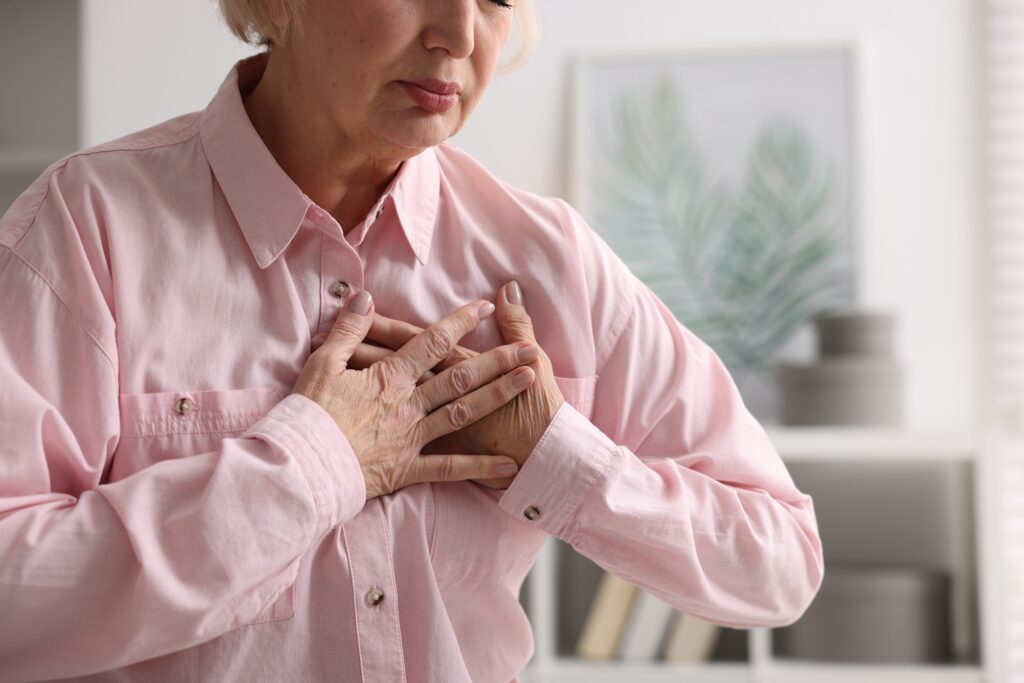
1. Your heart enters stress mode instantly
The moment nicotine hits your bloodstream, it triggers an artificial rush of adrenaline.
Your heart rate rises and blood pressure spikes. Simultaneously, your blood vessels constrict, forcing your heart to work significantly harder to pump blood.
Worse, carbon monoxide from the tobacco smoke binds to haemoglobin, actively replacing the vital oxygen in your blood.
Your heart is working twice as hard while receiving a fraction of the oxygen it needs to function safely.
2. Your lungs collect structural damage with every inhale
Inhaled smoke paralyses and destroys cilia, the tiny, hair-like structures lining your airways designed to sweep away mucus, dirt and pathogens.
When these structures are compromised, toxic residue remains permanently trapped deep inside your lung tissue.
This cellular destruction triggers chronic coughing, wheezing, shortness of breath and long-term respiratory diseases like chronic bronchitis or emphysema.
3. Your blood circulation suffers systemic damage
Tobacco smoke causes arterial walls to tighten, harden and develop fatty plaques. This systematic narrowing weakens your overall peripheral circulation.
Beyond standard lung damage, restricted blood flow directly reduces your everyday energy levels, delays wound healing, accelerates skin wrinkling and significantly impairs sexual health.
4. Your immune system struggles against local crises
Smoking alters your immune system’s cellular profile, leaving you highly vulnerable to infections.
In our local healthcare climate, this creates a dangerous intersection with infectious diseases. Clinical data show that smoking is a factor in 20% of all tuberculosis (TB) deaths in South Africa.
Nicotine impairs the specific pulmonary immune cells tasked with fighting off lung infections, which heavily complicates recovery outcomes for individuals navigating concurrent HIV and TB treatments.
5. Smoking induces rapid, premature cellular ageing
The toxins found in tobacco smoke accelerate systemic cellular ageing.
Your skin loses its essential elasticity faster, teeth stain deeply, wounds heal at a slower rate and daily physical stamina plummets.
This is caused by chronic, widespread inflammation triggered by foreign chemical compounds, which continuously damages healthy tissue throughout your body.
What happens when you quit?
The ultimate saving grace of human biology is its deep, built-in resilience. Once you choose to step away from commercial tobacco, an immediate timeline of healing unlocks.
After 8 hours Carbon monoxide levels in your bloodstream plummet by half, allowing vital oxygen levels to rise back toward a healthy, normal baseline.
After 24 hours, our cardiovascular system experiences significant relief. Systematic circulation improves, blood vessels relax and your baseline risk of a sudden heart attack already begins to decline.
After 48 hours, damaged nerve endings begin to regenerate. Your sense of taste and smell return to full sharpness, making food taste richer and aromas noticeably stronger.
After 2 weeks to 3 months: Lung capacity and circulation improve by up to 30%. Walking up stairs, exercising and managing basic daily tasks become significantly less exhausting.
After 1 to 9 months: Paralysed cilia regrow and regain full function. Your lungs actively clear accumulated mucus, dramatically reducing coughing, wheezing and sinus congestion.
After 1 year: According to the American Heart Association, your excess risk of coronary heart disease drops to exactly half that of an active smoker.
After 5 years: Your risk of experiencing a stroke decreases dramatically, matching that of a lifetime non-smoker in several clinical categories.