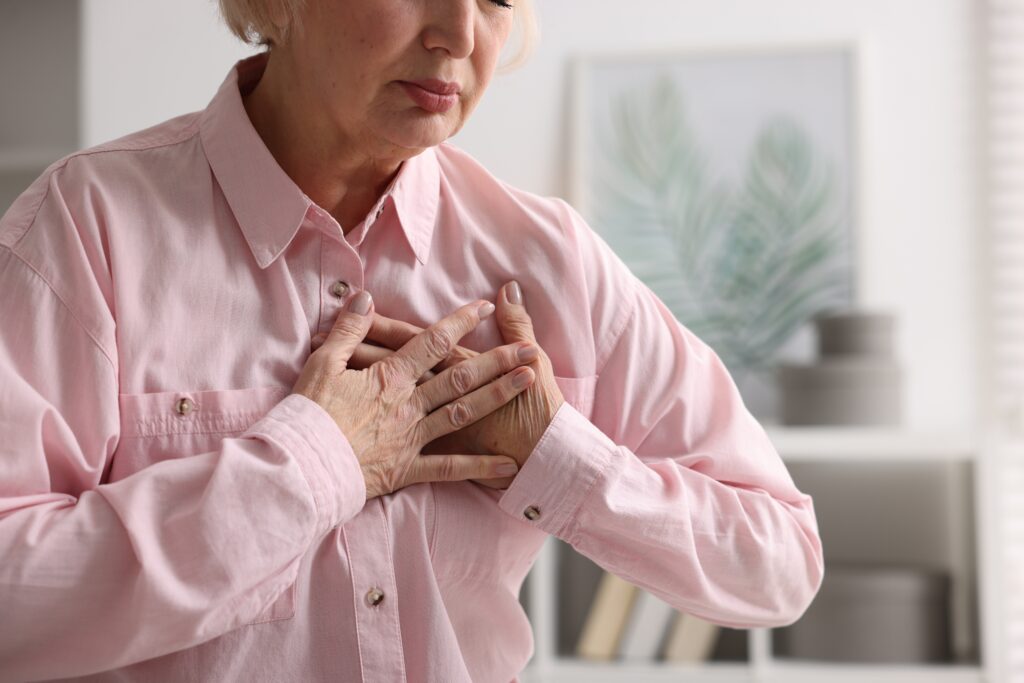
Cardiovascular disease (CVD), which includes heart attacks and strokes, is one of South Africa’s biggest health crises.
It is responsible for nearly 1 in 3 deaths across the country. Even more alarming is that roughly 80% of these heart-related deaths happen to people under the age of 65.
This means heart health is no longer just an issue for older generations, but something young and working-age South Africans need to take seriously right now.
Fortunately, many of these cases are linked to lifestyle factors that we can actually change.
As conversations around preventative wellness grow, specialist dietitian Mbali Mapholi is encouraging families to view heart health as a lifelong journey shaped by small, everyday choices.
“Too often, heart health is only taken seriously later in life, but prevention starts much earlier with habits we develop from childhood,” explains Mapholi.
“As a dietitian, I’ve seen how simple daily habits like balanced nutrition, movement, and mindful hydration can significantly support heart health over time. It’s these small, repeated actions such as enjoying a daily cup of Rooibos tea that reduce risk factors such as high blood pressure and cholesterol across all stages of life.”
Building a healthy heart
Heart health isn’t a destination you arrive at when you turn 50. It requires different types of care at different stages of life.
1. Childhood and teenage years
The habits children form early on stick with them for life. What kids eat and drink today determines their taste preferences tomorrow. For example, a diet packed with sugary treats builds a lifelong craving for sugar.
Early routines heavily influence long-term blood pressure patterns and weight regulation.
Mapholi says: “Healthy habits developed during childhood can reduce the risk of cardiovascular disease later in life, before it even begins. Encouraging balanced meals, regular activity, and healthier drink choices early on sets the tone for lifelong wellbeing.”
2. Adulthood
During adulthood, the risk of heart disease creeps up slowly. It is usually triggered by high stress, sitting too much at desks, and eating too many processed foods or sugary drinks.
“Over time, negative patterns can contribute to conditions such as high blood pressure, high cholesterol, obesity, and type 2 diabetes,” warns Mapholi.
“Many people don’t realise that it’s not one single event that impacts heart health, but rather the cumulative effect of daily choices.”
3. Older age
As we get older, our blood vessels naturally become less flexible, the body recovers more slowly, and existing health risks become more serious. However, your heart is incredibly resilient.
“Even small adjustments – such as improving diet, drinking a daily cup of Rooibos, or increasing physical activity – can still make a meaningful difference,” advises Mapholi.
Simple daily wins for a stronger heart
Improving your heart health does not require a massive, exhausting lifestyle overhaul. Mapholi recommends focusing on small, achievable daily wins:
Move daily: Just a 20-minute walk can have massive, long-term benefits for your cardiovascular system.
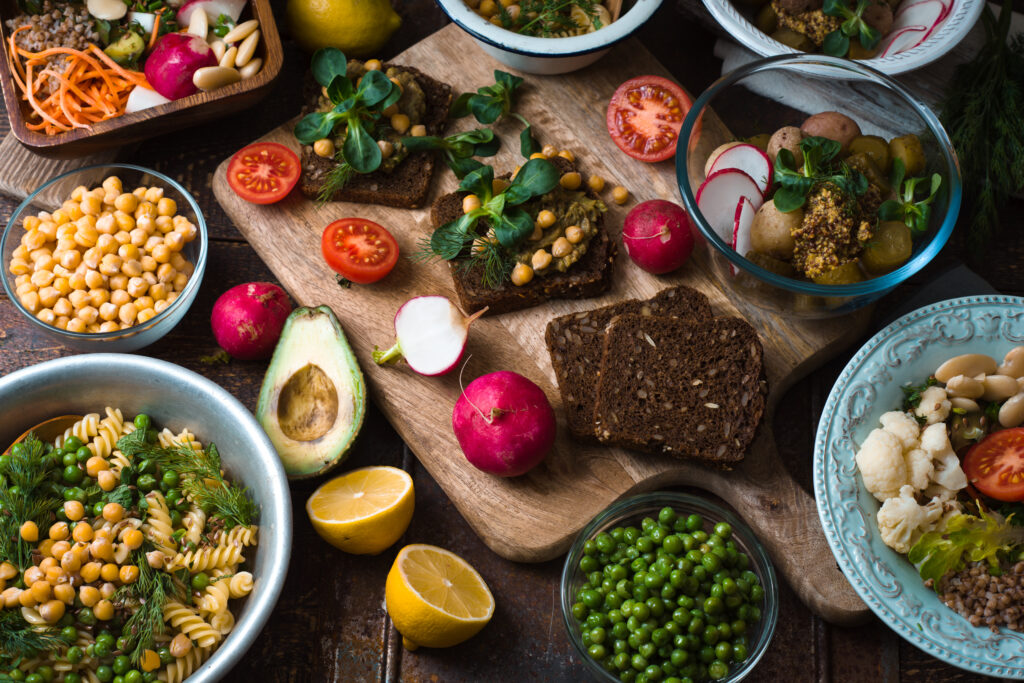
Eat more plants: Try to fill half of your plate with vegetables at lunch and dinner.
Balance red meat intake: Swap out red meat for plant-based meals (like beans, lentils or chickpeas) a few times a week.
Manage stress: Take a few moments out of a busy day to calm your mind through journaling or meditation.
Prioritise sleep: Stick to a consistent bedtime routine to let your heart rest and recover.
Rethink your drink: Cut back on sugary, caffeinated beverages. Instead, reach for options that support hydration without the sugar crash.
“Hydration is often overlooked, but it plays a key role in overall health,” she adds.