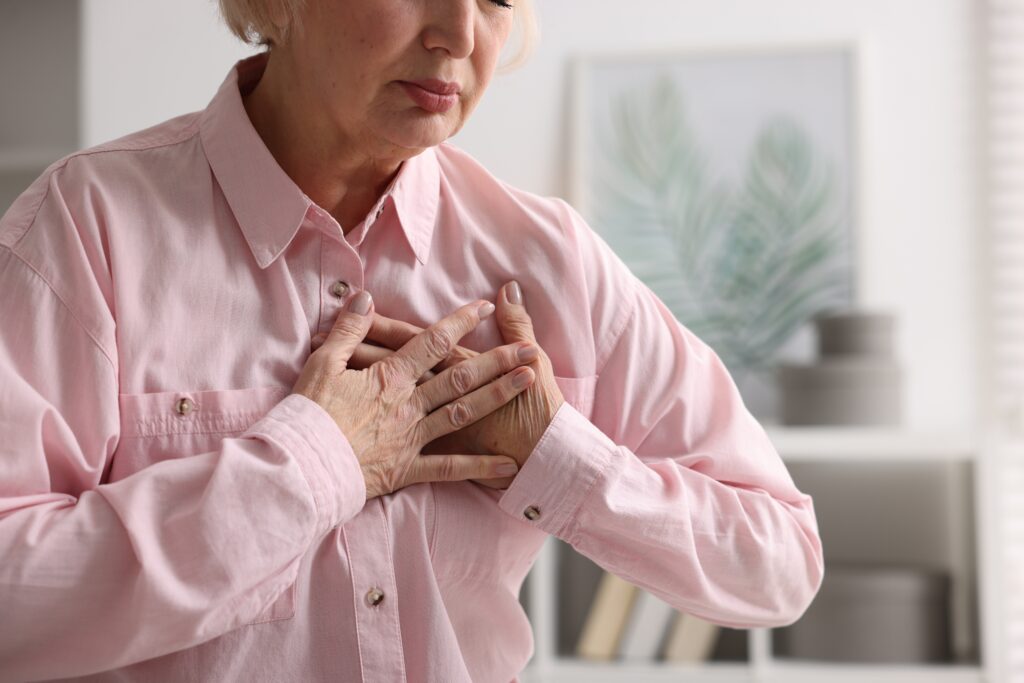
Certain strategies and lifestyle behaviors have been linked to reduced cardiovascular disease and mortality risk.
With progress in diagnosis and treatment, more people are surviving cancer than ever before.
However, long-term health issues after cancer treatment may affect a person’s longevity.
Research has now found that cancer survivors who follow a heart-healthy lifestyle can improve their chances of living longer.
The study suggests that seven behaviors, including being physically active, eating a balanced diet, and quitting smoking, not only reduce a person’s overall mortality risk by 38%, but are also associated with reduced cancer mortality.
Cancer survival rates vary widely, depending on the type of cancer, the stage at which the cancer is diagnosed, and a country’s healthcare system. However, overall, more people now survive cancer than they used to.
Following diagnosis and treatment, people can experience some longer-term health effects, which may affect their longevity.
New research from Italy has found that people who follow a healthy lifestyle, taking regular exercise, following a healthy, balanced diet, not smoking, and keeping their body weight and blood pressure under control, can greatly improve their chance of living longer.
The study, published in the European Heart Journal, found that habits that benefit cardiovascular health can reduce cancer mortality risk, as well as reducing overall mortality risk in cancer survivors by up to 38%.
“The findings of this study make intuitive sense — people who have healthier habits, regardless of whether you are a cancer survivor or not, live longer. These findings should be encouraging, that a similar benefit of healthy habits towards longevity apply to both cancer survivors and those without cancer.”
— Christopher Berg, MD, non-interventional cardiologist specializing in cardio-oncology at MemorialCare Heart and Vascular Institute at Orange Coast Medical Center in Fountain Valley, CA.
Evaluating healthy lifestyles
The researchers followed cancer survivors from the Moli-sani study, an Italian cohort study evaluating environmental, genetic, and biomolecular risk factors that are linked to chronic-degenerative disease, particularly cancers and cardiovascular disease.
From the 24,325 people in the Moli-sani study, researchers identified 849 cancer survivors. Of these, 779 had sufficient data for final analysis.
They interviewed participants to collect data on cancer history, demographic characteristics, diet, health behaviours, medical history (including CVD, diabetes, high blood pressure, and high cholesterol), and medication use.
At the start, the participants had a mean age of 62.6 years. Researchers computed participants’ LS7 scores by assigning points to seven health metrics — smoking status, physical activity, diet, BMI, blood pressure, total cholesterol, and blood glucose. For each metric, they gave a rating from 0 to 2, with 2 indicating ideal health. Optimum cardiovascular health achieved a maximum score of 14.
They then divided participants into 3 categories for cardiovascular health:
- Poor: 0-6
- Intermediate: 7-9
- Ideal: 10-14.